Choose the process architecture
Start with the product route because preparation, filling conditions and post-fill treatment must work as one system.
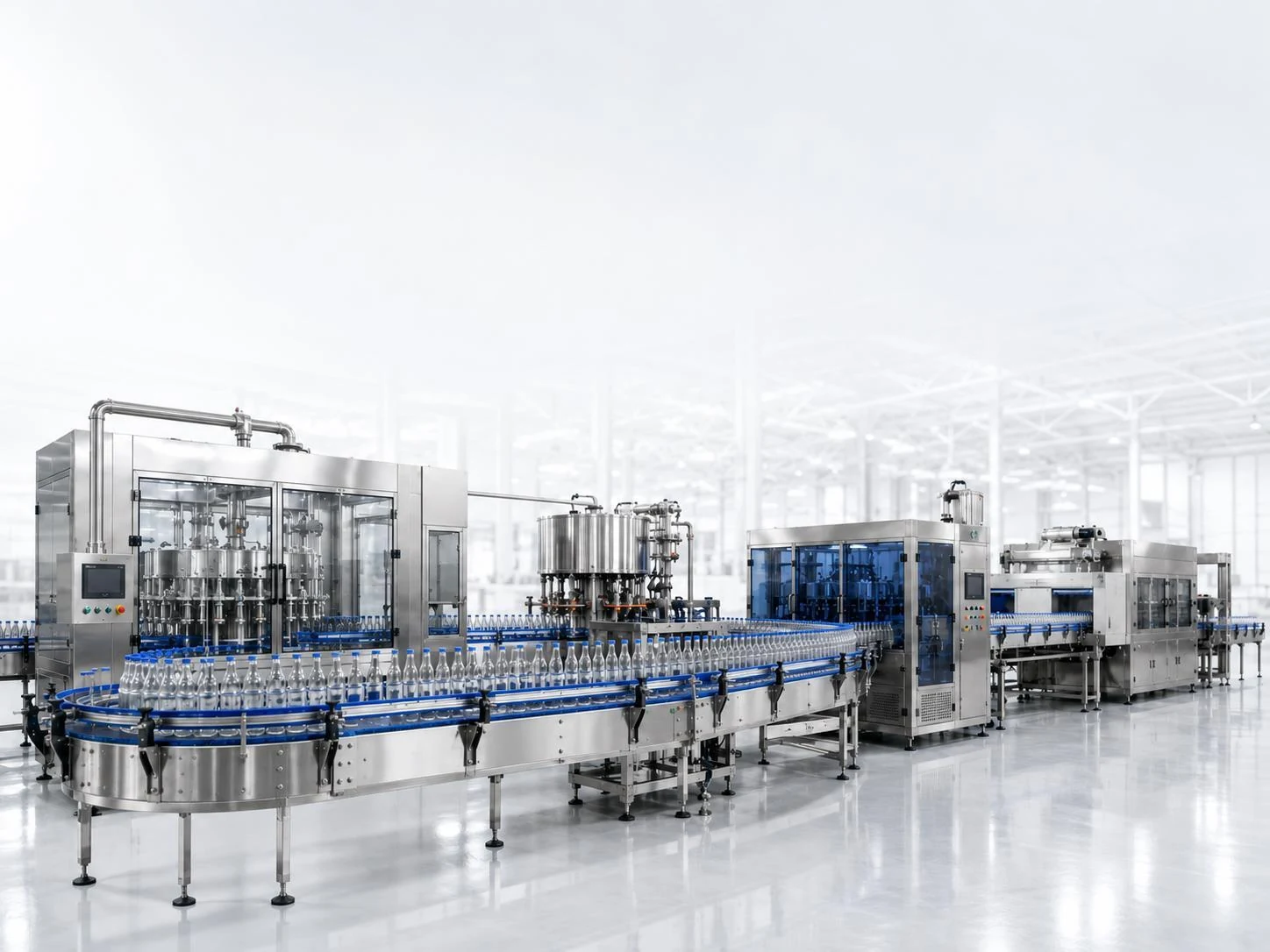
Beverage process + package architecture
Plan a complete line for carbonated drinks, juice or tea: match preparation and treatment to the filling route, bottle or can, target output and end-of-line packaging.
Six inputs shape the line: product, fill state, package, closure, reference output and factory scope.
Define the project basis before comparing equipment
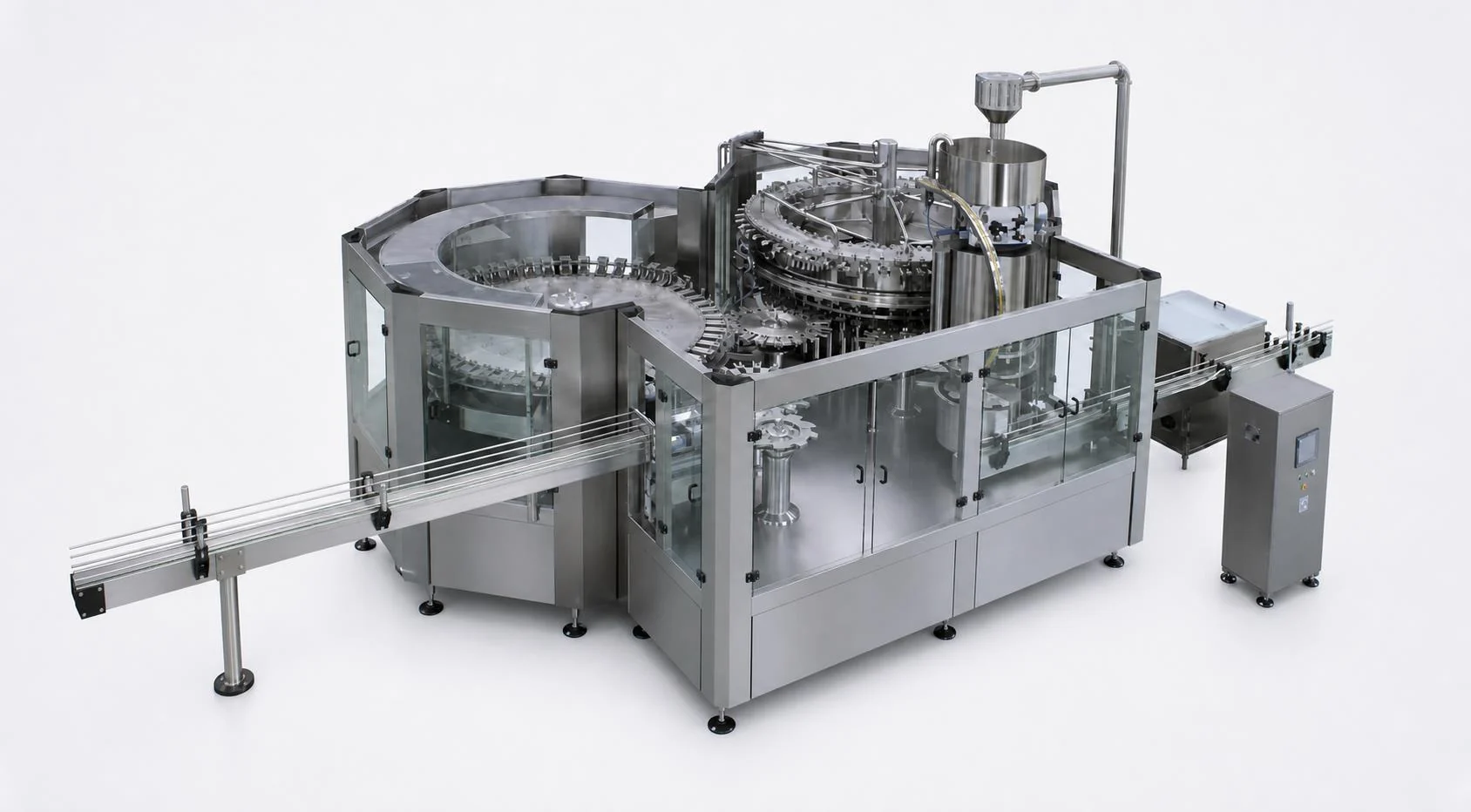 01Carbonated pressure routeChill → blend → carbonate → isobaric fill → pack
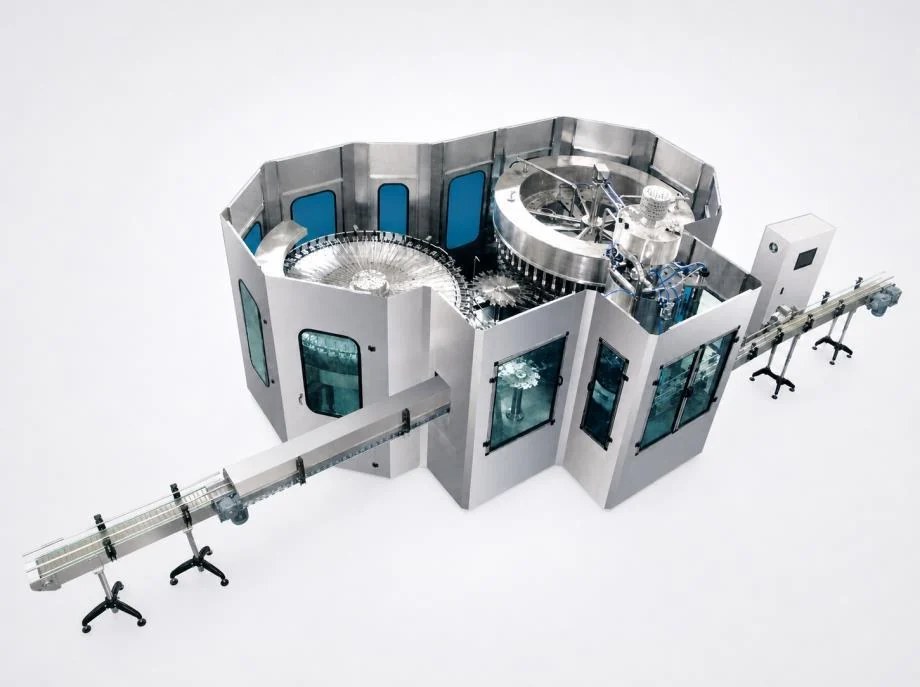 02Juice / tea thermal routePrepare → heat treat → hot fill → invert or cool → pack
Catalog equipment references. Final configuration follows the confirmed beverage, package and output.
What are you bottling?
Each entry begins with the conditions the beverage creates for preparation, filling and post-fill handling.
Still, purified, mineral or sparkling
Place water inside the complete-line architecture → 02CSD, soda and sparkling drinks
Build the pressure route → 03Blended and hot-fill-compatible drinks
Build the hot-fill route → 04Tea beverages with a confirmed thermal route
Review the tea architecture →The central distinction
A product name changes more than the filler. It can change preparation, utilities, temperature control, filling principle and what happens after closure.


Functional decision route, redrawn from the supplied catalog reference. It is not a P&ID or final equipment sequence.
Functional decision route, redrawn from the supplied catalog reference. It is not a P&ID or final equipment sequence.
What do you need to solve?
Choose the unresolved question. Each path leads to a distinct planning answer, then back to one structured beverage-line brief.
What belongs between product preparation and the finished pack—and who owns every interface?
Define the turnkey scope →02Which product, package, capacity, site and execution boundaries change the real project cost?
Normalize the cost blocks →03How do BPH, scheduled time, planned stops, running factor and yield become saleable packs?
Calculate usable output →04Which product, package, factory, scope and acceptance inputs must every bidder answer?
Check RFQ readiness →05Which documents and witnessed evidence separate a claim from an executable proposal?
Compare supplier evidence →06Does the product need carbonation, heat treatment, hot fill, aseptic review or another architecture?
Compare process routes →07What must the building, power, water, air, drainage, access and logistics support before delivery?
Check the site boundary →08What should be witnessed at FAT, completed at SAT and proved during a representative performance test?
Define acceptance evidence →09Can a new module integrate with the real controls, utilities, package flow and line balance?
Screen the upgrade →10Which availability, speed, quality or connected-machine event is reducing good finished packs?
Build the loss basis →Buyer answer center
Choose the question blocking your project now. These owner guides connect process, package, capacity, procurement, project delivery and lifecycle decisions to one complete-line basis.
Start with the product route because preparation, filling conditions and post-fill treatment must work as one system.
Turn a sales target into saleable output, space, staffing, utilities and a budget boundary before selecting equipment.
Define the delivery boundary and send every supplier the same product, package, output, utility and acceptance basis.
Carry the same scope basis into stage gates, risk ownership and lifetime operating cost so the line becomes an operating asset, not only delivered equipment.
Beverage × package
Use the matrix to find a supported reference route or a combination that needs product and package evidence before configuration.
Interactive decision tool
Select plain-language product and package inputs. The tool returns a process route, not a price or guaranteed specification.
This source travels with the brief so the project desk can answer the decision that brought you here.
Before the filler
These process systems determine what product reaches the filler and under which temperature, pressure and hygiene conditions.
Turn water, syrup and ingredients into a controlled product stream.
Review the process interfaceControl CO2, temperature, pressure and delivery to the CSD filler.
Review the process interfaceDefine cleanable circuits and cleaning conditions for project validation.
Review the process interfaceConnect the product-specific preservation route to hot filling.
Review the process interfacePrepare and transfer PET, glass or cans for the selected product.
Review the process interfaceMatch still, pressure-controlled or hot filling to product and package.
Review the process interfaceCool, inspect, decorate, code and pack at a sustainable rate.
Review the process interfaceAcross the complete line
These catalog images show reference configurations across preparation, container handling, filling, post-fill treatment and packing. The project scope is confirmed from your product and factory inputs.
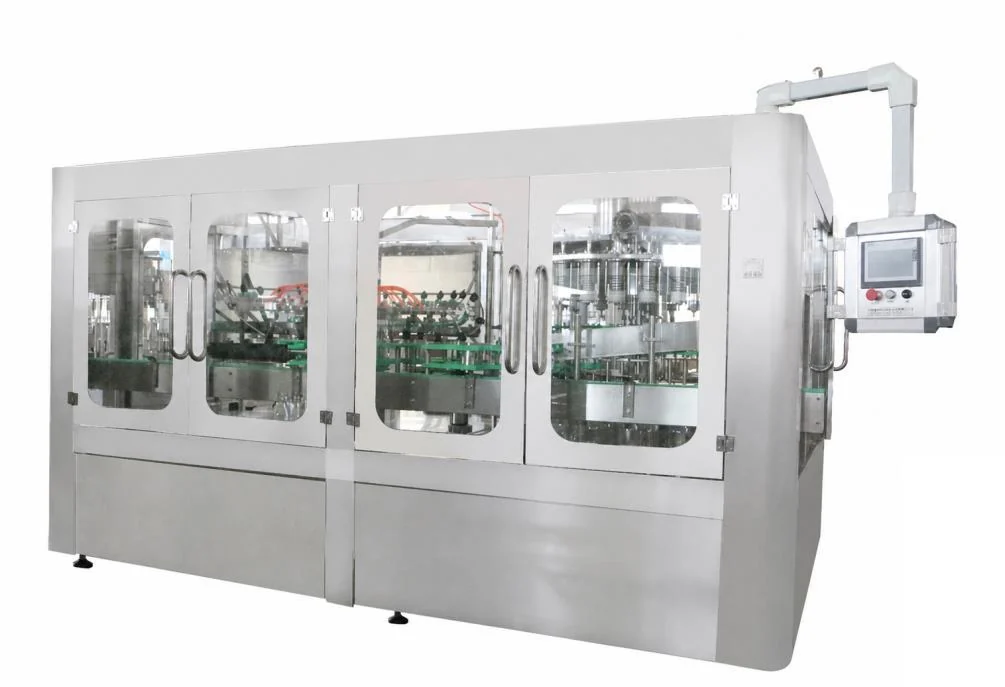
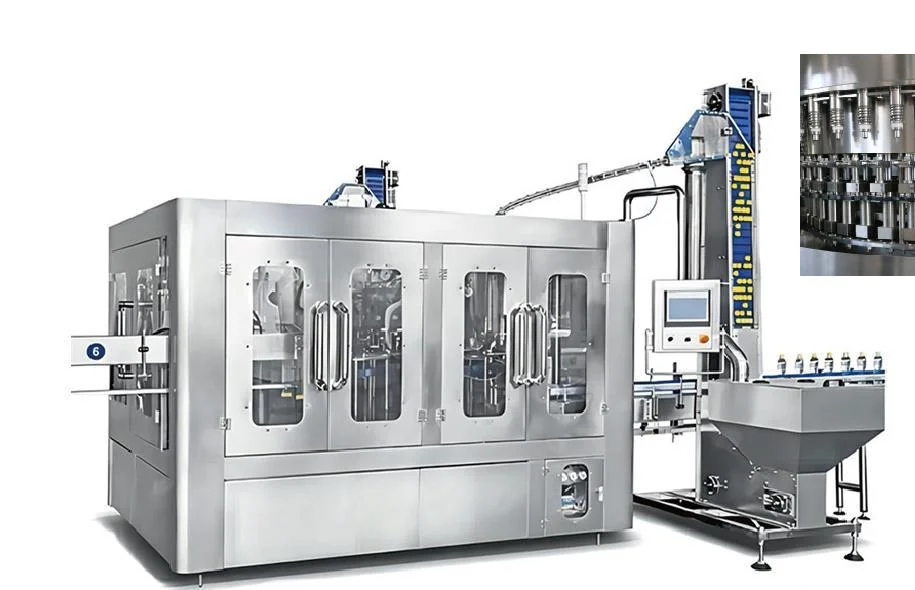 Reference configurationWater fillingStill-water rinsing, filling and capping platform
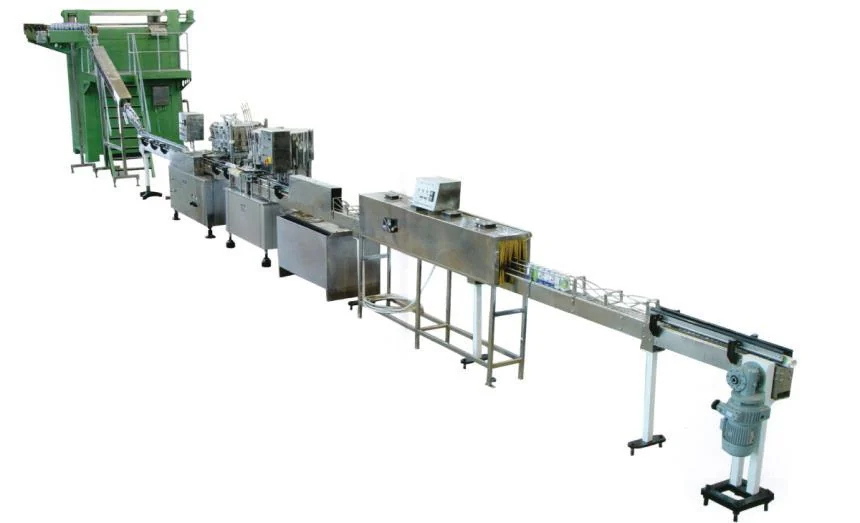
 Reference configurationGlass bottle routeGlass handling, filling and closure interface
 Reference configurationCan beverage routeCan preparation, filling, seaming and transfer
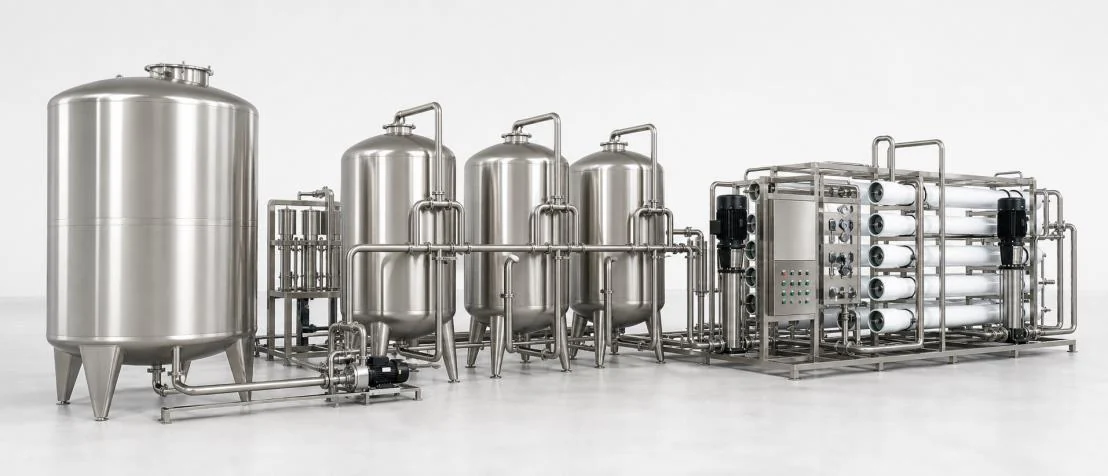 Reference configurationWater treatmentUpstream water-quality and usable-output basis
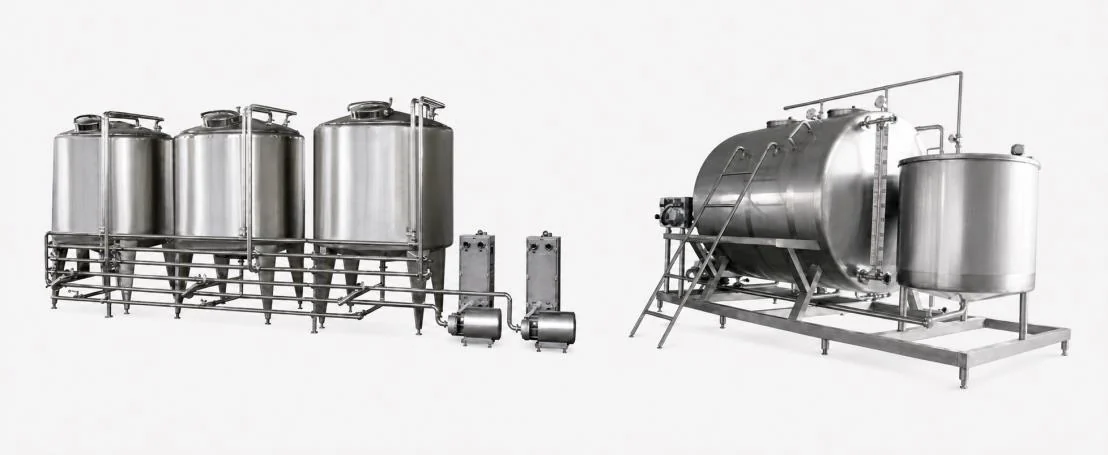 Reference configurationCIP systemCleaning circuits, cycle design and production window
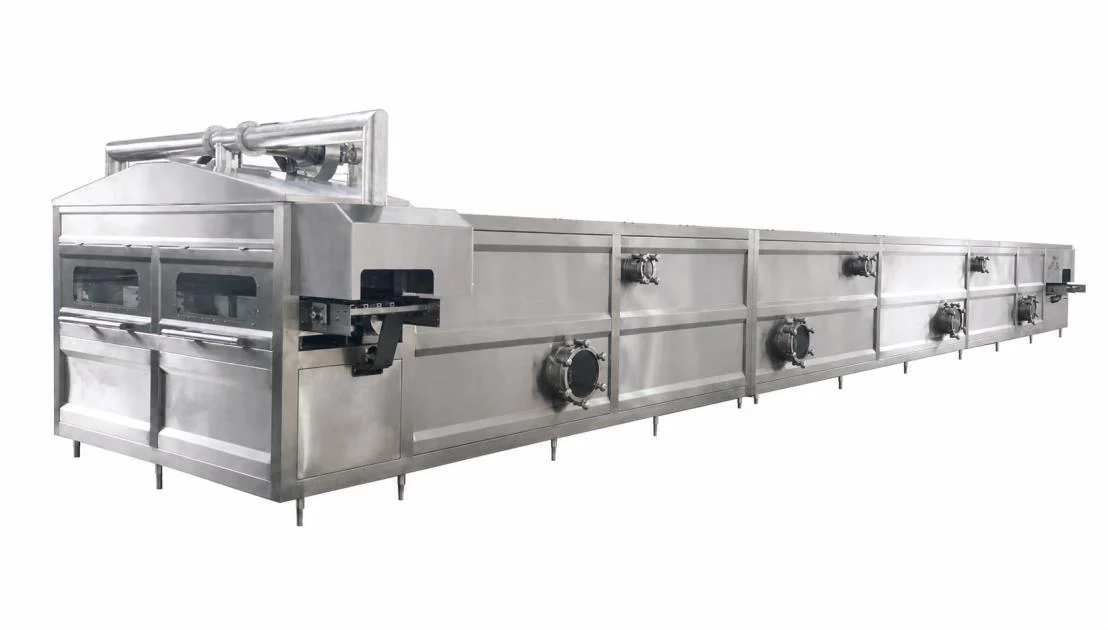 Reference configurationPost-fill treatmentInversion, pasteurization or controlled cooling as required
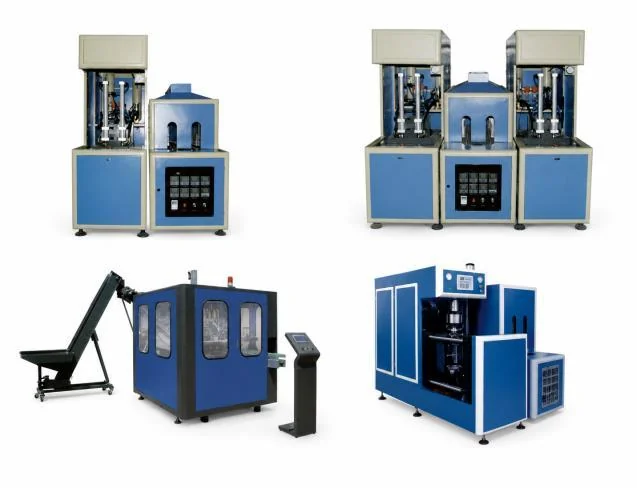 Reference configurationPET bottle supplyBottle blowing and container-feed boundary
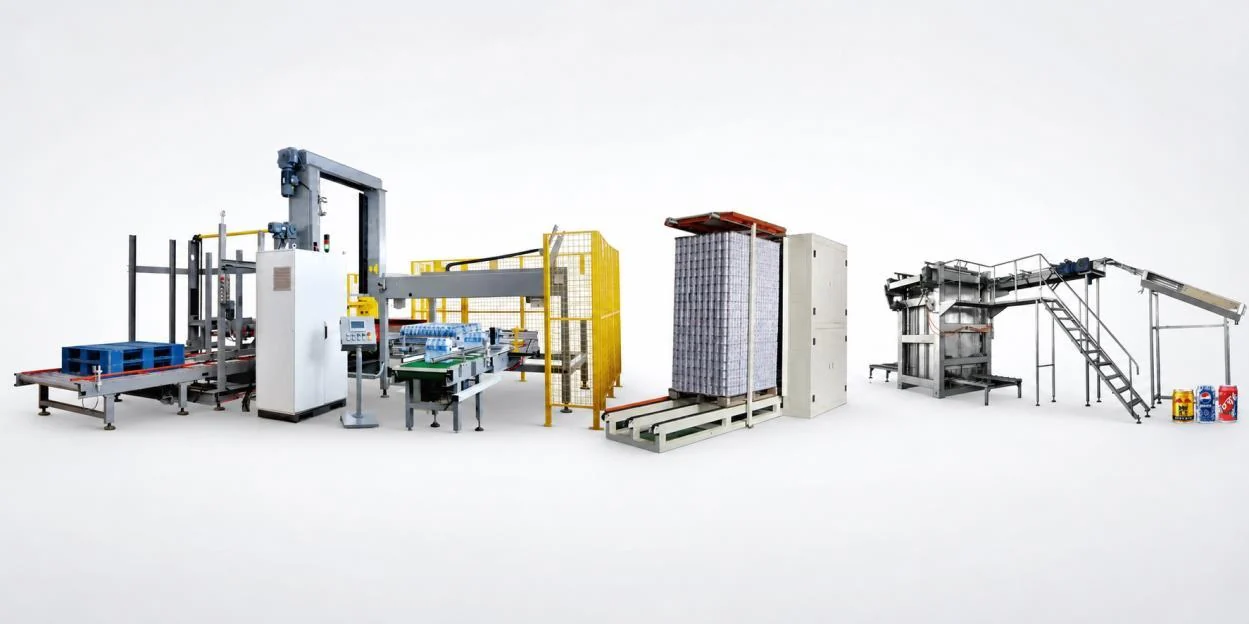 Reference configurationEnd-of-linePacking, pallet handling and sustained line output
Equipment appearance and arrangement are illustrative catalog references. The quotation must confirm product data, package, good-output target, utilities and responsibility boundaries.
Filling process selection
Use product state and post-fill needs to compare still, carbonated and hot-fill architecture.
Where performance disappears
Useful engineering starts by naming system risks, not repeating a machine efficiency claim.
The product stream cannot sustain filler demand.
Blower or empty-container handling cannot feed steadily.
CSD or hot-fill conditions move outside the agreed basis.
Product, pressure or package conditions do not match.
Labeling or packing creates repeated upstream stops.
Short disturbances propagate across the whole line.
Domain-specific buyer journey
Determine which complete process-to-pack architecture fits a beverage, package, output and factory basis. Each step keeps the next buyer decision visible.
Allot Tech project desk
For a useful first reply, send the beverage, package, target good output and factory. If a line is already operating, add the observed symptom, first-known-good and first-known-bad time, affected SKU, photos, alarms and available production data.
Company verification: visit allottech.com.