Skip to content

Thermal and hygienic route comparison

Compare Beverage Process Routes

Compare still/ambient, carbonated/isobaric and hot-fill architectures from the complete-line perspective—not as isolated filler models.

Catalog equipment reference

Final equipment, layout and performance are confirmed against the project brief.

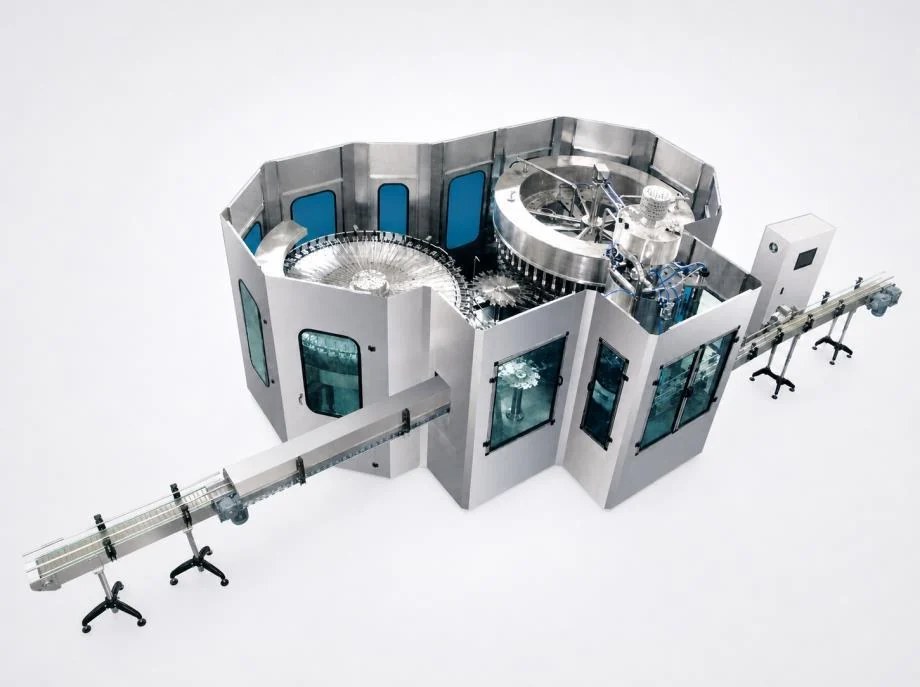
Water rinsing filling and capping monoblock reference configuration
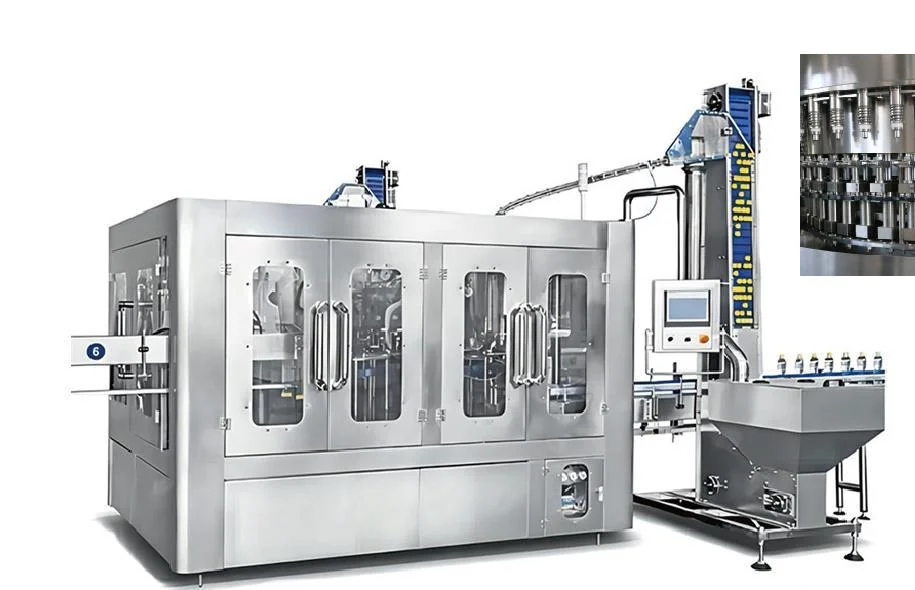
Carbonated beverage isobaric filling monoblock reference configuration
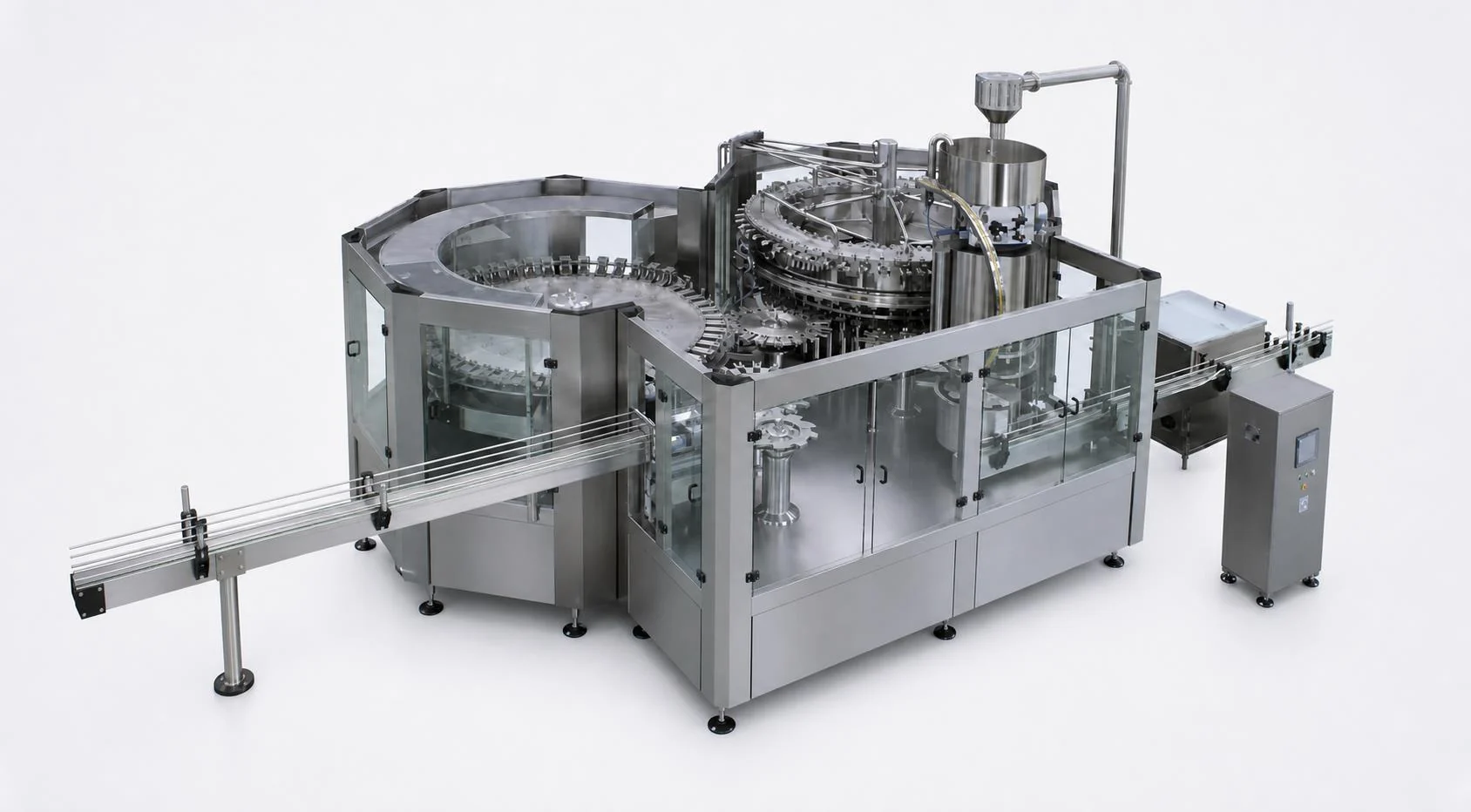
Juice and tea hot filling monoblock reference configuration

Answer first

Which complete process route fits the beverage?

A non-carbonated water-like product, a carbonated product and a heat-treated hot-fill product need different inlet conditions, filling control, container compatibility and post-fill treatment.

DecisionStill / ambientCarbonatedHot fill
Product stateNon-carbonatedCarbonatedHeat-treated product
Preparation focusWater/product hygieneMixing, CO2 and chillingBlending and heat treatment
Filling basisSuitable still-product fillPressure-controlled / isobaricHot-fill-compatible route
Post-fill focusInspect and packStabilize/warm if requiredInvert if applicable and cool
Main project questionProduct-water conditionCO2 + temperature + pressureRecipe + process + package heat compatibility

Project question 01

Still / ambient route

Typical for suitable non-carbonated water-like products after the confirmed preparation and hygiene route.

  • Non-carbonated product
  • Suitable still filling principle
  • Water/product hygiene focus
  • Standard downstream handling

Project question 02

Carbonated / isobaric route

For CSD and sparkling products where dissolved CO2, temperature, pressure and foam must be controlled through filling.

  • Carbonation and chilling
  • Pressure-controlled filling
  • Pressure-compatible package
  • Product stabilization downstream

Project question 03

Hot-fill route

For suitable heat-treated juice/tea products with a hot-fill-compatible bottle/closure and defined post-fill treatment.

  • Heat treatment
  • Hot product transfer
  • Hot-fill package
  • Inversion/cooling where applicable

Architecture triage

Separate the complete routes before selecting equipment

The table is an early routing tool. It identifies the next engineering questions without prescribing a filler model or claiming a preservation result.

Decision signalStill / ambient routeCarbonated / pressure routeHot-fill route
Product stateNon-carbonated product with a separately confirmed preparation and hygiene basisDissolved CO2 makes temperature, pressure and foam part of the routeHeat-treated product delivered under a confirmed hot-fill basis
Upstream focusProduct or water preparation and hygienic transferWater and syrup preparation, mixing, chilling, CO2 and pressure-controlled deliveryRecipe preparation, product-specific heat treatment, hot buffer and hygienic transfer
Filler inletConfirmed product condition and stable supply at the selected still-product interfaceConfirmed temperature, carbonation, flow and delivery pressure at the isobaric interfaceConfirmed product temperature, flow, hygienic boundary and stop or return logic
Package evidenceContainer, closure and hygiene compatibility with the agreed product conditionContainer and closure suitability for the agreed pressure and handling conditionsContainer and closure suitability for the agreed thermal and handling conditions
After closureInspection, coding, labeling and packing unless another treatment is requiredSurface conditioning or warming only when the package and downstream interface require itCap or head contact where applicable, controlled cooling, drying and inspection
Open confirmationPreservation basis, filler interface and package hygiene expectationsCarbonation target, temperature basis, pressure boundary and package qualificationThermal-process basis, fill condition, closure treatment and cooling endpoint

Decision ownership

Use this page for route selection—not machine selection

A useful first decision assigns the project to the correct architecture and passes unresolved technical questions to the right specialist review.

01

Owned on this page

Classify the project by product state, preservation direction, filler inlet condition and required post-fill route.

  • Still, carbonated or hot-fill architecture
  • Main upstream and downstream interfaces
  • Unknown inputs that can change the route
02

Passed to deeper engineering

Detailed process and package pages resolve the modules and evidence behind the preliminary route.

  • Carbonation, heat treatment and CIP details
  • PET, glass or can package compatibility
  • Post-fill treatment and sustained line balance
03

Not established here

A route name alone does not prove process adequacy, shelf life, model suitability or guaranteed output.

  • No universal temperature or pressure setting
  • No aseptic or food-safety validation claim
  • No filler-model or performance commitment

Route-selection brief

Bring the inputs that can move the project to another route

Unknown answers can remain open, but they should be visible and assigned for review.

Beverage definition
Product name, formulation summary, ingredients and intended commercial format.
Carbonation
State carbonated, non-carbonated or not yet confirmed; provide the target if it is already defined.
Particles and rheology
Pulp, fibres, particles, viscosity or other product behavior that can affect processing and transfer.
Preservation basis
Known heat-treatment, hygiene, distribution and shelf-life approach, including the owner of any open decision.
Filling condition
Known temperature, pressure or sanitation condition at the filler inlet, or mark it for engineering review.
Primary package
PET, glass or can drawing plus closure or can-end information.
Reference output
Target rate tied to one product, container volume, closure and finished pack.
Post-fill requirement
Known warming, inversion, cooling, drying, inspection, labeling and packing expectations.
Project evidence
Identify which process parameters and package limits are approved, provisional or still missing.

Illustrative routing example

A beverage name is not enough to select the route

A buyer describes a fruit-flavored drink and requests a complete line, but has not confirmed carbonation, preservation method or filling condition.

  1. Record the recipe summary, particles and whether CO2 is present or planned.
  2. Ask who owns the preservation and shelf-life basis instead of assuming ambient or hot fill.
  3. Collect the proposed container and closure drawings and flag pressure or thermal compatibility as open.
  4. Prepare separate preliminary still, carbonated or hot-fill decision branches only where the supplied evidence supports them.
  5. Advance one architecture after the product, package and filler-inlet conditions are jointly confirmed.

Preliminary resultThe enquiry becomes an evidence-led route decision, while filler model, process parameters and performance remain outside the preliminary conclusion.

Illustrative only. The route must be confirmed against the actual formulation, process authority and package evidence.
Evidence boundary

What supports this guide—and what still needs confirmation.

Evidence labels keep a reference architecture separate from a final design or commercial promise.

Catalog reference

The supplied Allot Tech Beverage Bottling Catalog 2026 shows distinct still-water, carbonated-beverage and juice or tea hot-fill reference chains.

Engineering interpretation

Complete-line selection links product state and preservation direction to preparation, filler inlet, package compatibility and post-fill treatment.

Project confirmation

Final route, process conditions, models, output and validation basis require approved product and package information plus signed project documents.

Buyer questions

Frequently asked questions

These are planning answers. Final process and equipment choices require a confirmed project brief.

Does this page select a filling-machine model?

No. It selects the preliminary complete-line architecture from product, preservation, package and post-fill conditions. Model selection follows a confirmed project brief.

Can the beverage name alone determine the route?

No. Similar product names can use different formulations, carbonation, preservation methods, filling conditions and packages, so the underlying evidence must be reviewed.

Is this a filler model selector?

No. It compares the upstream, filling, package and post-fill conditions of complete still, carbonated and hot-fill routes.

Does hot fill automatically mean aseptic production?

No. Preservation method and hygienic boundary must be defined separately; no aseptic claim is inferred from hot filling or heat treatment alone.

How to read the technical evidence

Catalog reference The supplied 2026 catalog supports the named CSD and juice/tea equipment chains and is the source for the redrawn functional routes.

Engineering principle Interface explanations show why product, process, package, utilities and line balance must be reviewed together.

Project confirmation The routes are not a final process design, P&ID, validated cycle, quotation, availability statement or performance guarantee. Signed project documents define the final scope.

Allot Tech project desk

Turn the beverage brief into a complete-line discussion.

For a useful first reply, send the beverage, package, target good output and factory. If a line is already operating, add the observed symptom, first-known-good and first-known-bad time, affected SKU, photos, alarms and available production data.

Company verification: visit allottech.com.