Inspect and decorate
Start with a stable sealed container and define what must be checked before and after decoration.
- Surface condition and container orientation
- Label material, application and position
- Inspection and reject points
After filling
The packing system converts inspected, decorated containers into the agreed saleable pack without becoming the sustained bottleneck of the beverage line.
Final equipment, layout and performance are confirmed against the project brief.
Answer first
Container type, label, code, grouping, film/tray/carton, case pattern, discharge and pallet-handling requirements define the downstream architecture.
Finished pack
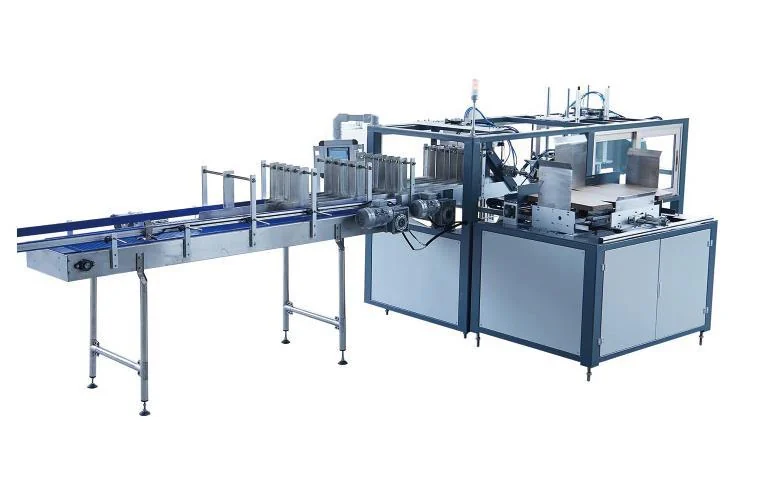
A packer is selected for an exact grouping and material basis, not only bottles or cans per hour.
Decoration + traceability
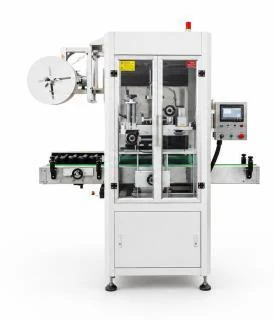
Cooling/drying, inspection, label application and coding must be placed and controlled for the selected container surface.
Sustained rate
Cycle rate, material replenishment, changeovers and short stops determine whether the end of line can accept filler output.
End-of-line decision map
Select downstream functions from the actual container condition, decoration specification and saleable-pack requirement.
| Stage | Required input | Selection question | Acceptance evidence |
|---|---|---|---|
| Packing-section inlet | Sealed container, surface condition and permitted reject state | Is the container dry, stable and ready for inspection or decoration? | Declared inlet condition and upstream handover responsibility |
| Inspection | Container, closure, fill or code checks assigned to the line | Which conditions are detected, rejected and recorded? | Agreed inspection and reject boundary |
| Label or decoration | Container geometry, surface, label material and artwork position | Which application method fits the confirmed package and surface condition? | Approved samples, drawings and placement criteria |
| Coding and traceability | Code content, location, readable surface and production-data source | Who creates, applies, verifies and retains the required record? | Approved code specification and data ownership |
| Grouping and secondary pack | Units per pack, orientation, film, tray, carton or case material | What exact saleable pack must leave the machine? | Approved pack pattern and material specification |
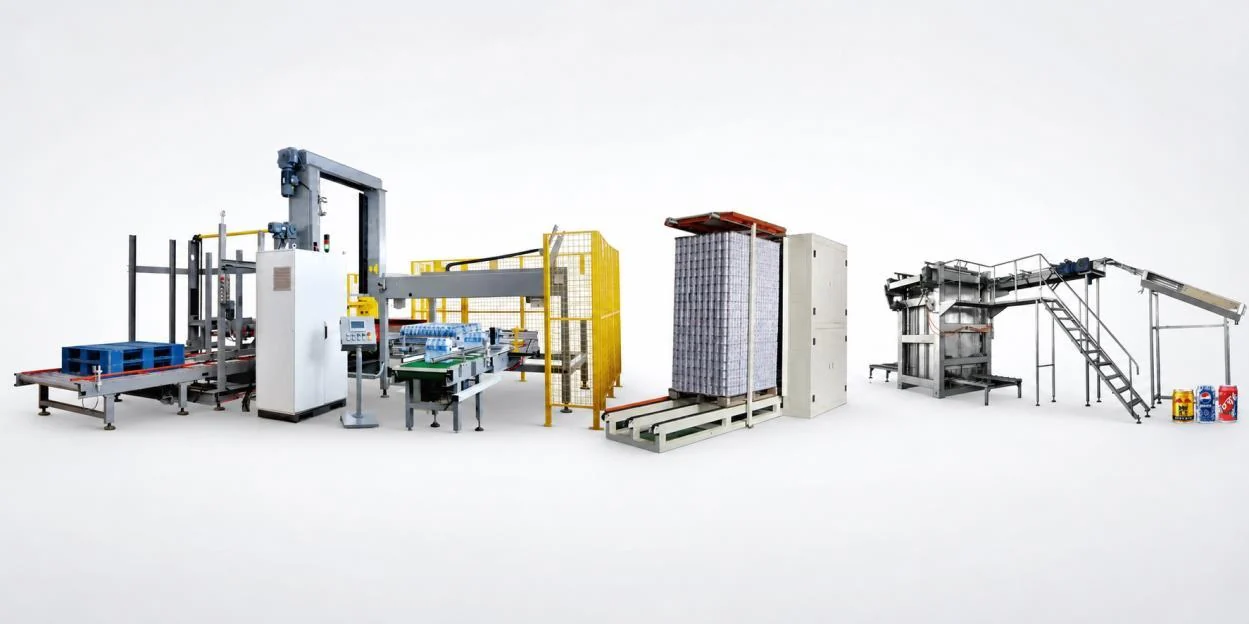
| Accumulation and discharge | Reference rate, stop behavior, conveyor path and final boundary | Can the downstream section accept the agreed reference condition sustainably? | Line-balance basis and named discharge point |
| Material replenishment | Label, ink, film, tray, carton and pallet presentation | How are materials supplied without creating an unplanned operating boundary? | Material-flow plan and buyer or supplier responsibility |
End-of-line scope
These functions interact, but each needs its own approved input, output and responsibility.
Start with a stable sealed container and define what must be checked before and after decoration.
Treat code content, source data, placement and verification as a controlled interface.
Select grouping and material handling from one exact commercial pack specification.
Finished-pack brief
A container-per-hour target is not enough to select a reliable end-of-line architecture.
Illustrative downstream brief
The buyer provides a bottle rate and label artwork, but the surface condition after cooling and the finished-pack pattern are not yet defined.
Preliminary resultThe end-of-line proposal is based on a measurable inlet condition and saleable-pack output rather than an isolated labeler or packer speed.
Illustrative only. Post-fill process selection remains outside this page and all equipment performance requires confirmation.
Evidence boundary
Evidence labels keep a reference architecture separate from a final design or commercial promise.
The supplied 2026 catalog includes labeling, coding-related line positions, conveying, film packing and case-packing references across beverage routes.
Inspection, decoration, coding, accumulation and secondary packing must share one container condition, reference SKU and line-balance basis.
Final label technology, code controls, pack material, equipment, rate and discharge scope require approved samples, specifications and signed documents.
Buyer questions
These are planning answers. Final process and equipment choices require a confirmed project brief.
Begin at a declared sealed-container condition after any separately required warming, inversion, cooling or drying step. The handover must state surface, stability and reject expectations.
No. Pack pattern, cycle behavior, material replenishment, inspection, changeovers, short stops and accumulation determine sustainable acceptance of the reference SKU.
Pack pattern, cycle behaviour, material replenishment, changeovers and short stops determine sustained acceptance of filler output.
After container surface condition, post-fill warming or cooling, label material and decoration requirement are known.
Catalog reference The supplied 2026 catalog supports the named CSD and juice/tea equipment chains and is the source for the redrawn functional routes.
Engineering principle Interface explanations show why product, process, package, utilities and line balance must be reviewed together.
Project confirmation The routes are not a final process design, P&ID, validated cycle, quotation, availability statement or performance guarantee. Signed project documents define the final scope.
Allot Tech project desk
For a useful first reply, send the beverage, package, target good output and factory. If a line is already operating, add the observed symptom, first-known-good and first-known-bad time, affected SKU, photos, alarms and available production data.
Company verification: visit allottech.com.