Is hot fill the same as UHT or aseptic filling?
No. Heat treatment, hot filling and aseptic processing describe different parts or architectures. The preservation target and hygienic boundary must be defined for the whole project.
Filling process selection
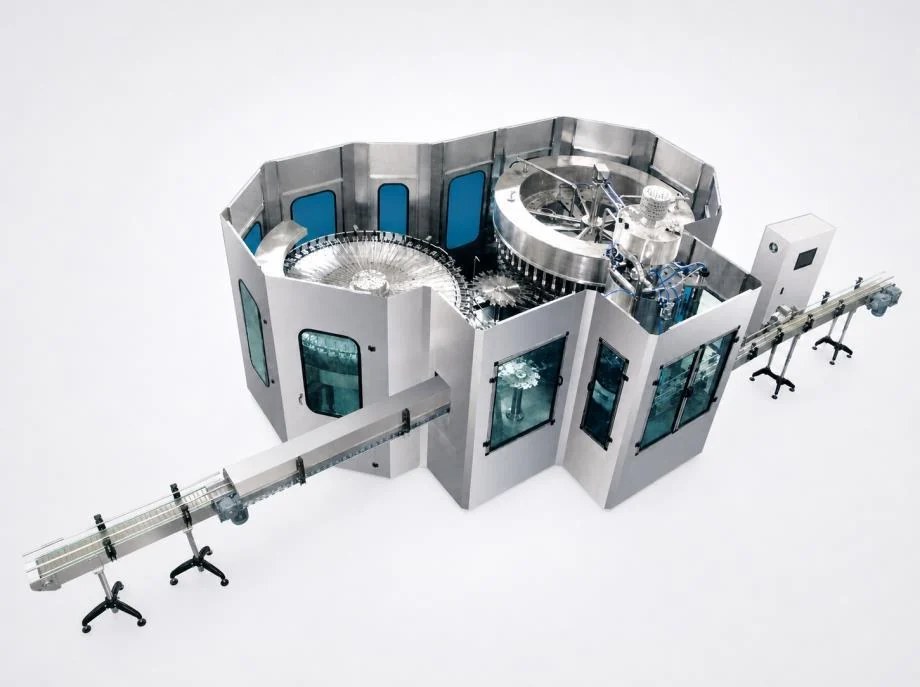
A hot-fill beverage line is a complete heat-treatment, hot-filling, closure-treatment and cooling route matched to a compatible product and package.
Final equipment, layout and performance are confirmed against the project brief.
Answer first
Always. The upstream heat-treatment basis, hot-product transfer, container/closure compatibility, fill and cap conditions, inversion where applicable and cooling profile must work together.
Product route
Hot fill is commonly associated here with catalog-supported juice and tea references. Final suitability requires product and project review.
Package route
The bottle and closure must tolerate the agreed thermal and handling conditions. PET and glass can lead to different handling and cooling decisions.
Post-fill treatment
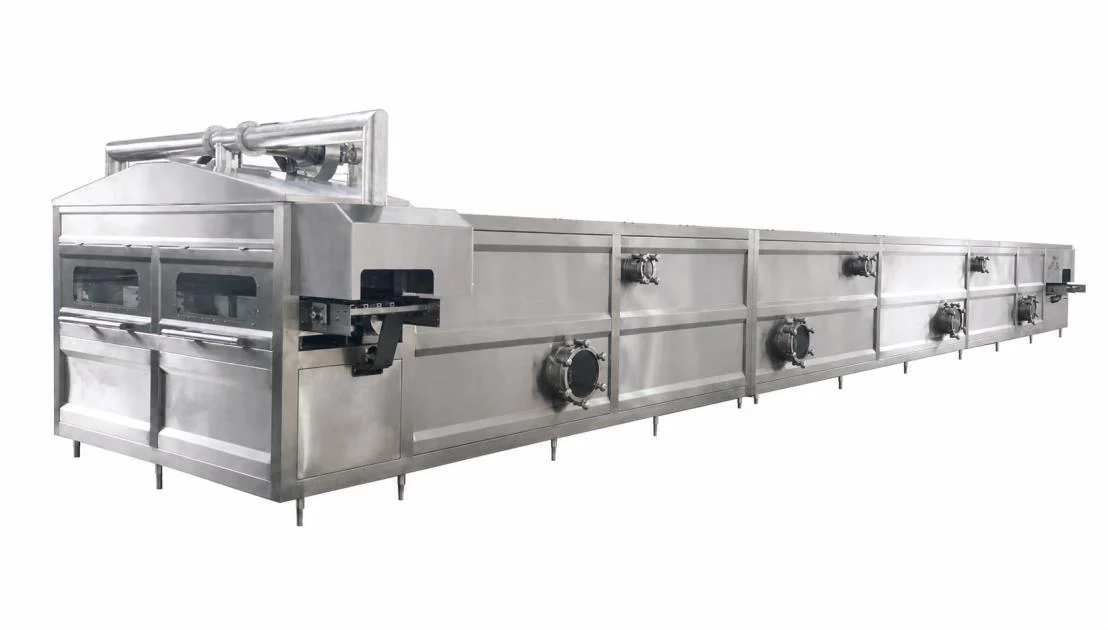
Bottle inversion for cap/head contact is used where applicable in the catalog reference, followed by shower cooling and drying before labeling.
Buyer questions
These are planning answers. Final process and equipment choices require a confirmed project brief.
No. Heat treatment, hot filling and aseptic processing describe different parts or architectures. The preservation target and hygienic boundary must be defined for the whole project.
The reference uses inversion for cap/head contact where applicable. Product, closure, headspace and package behaviour determine whether and how it is used.
Catalog reference The supplied 2026 catalog supports the named CSD and juice/tea equipment chains and is the source for the redrawn functional routes.
Engineering principle Interface explanations show why product, process, package, utilities and line balance must be reviewed together.
Project confirmation The routes are not a final process design, P&ID, validated cycle, quotation, availability statement or performance guarantee. Signed project documents define the final scope.
Allot Tech project desk
For a useful first reply, send the beverage, package, target good output and factory. If a line is already operating, add the observed symptom, first-known-good and first-known-bad time, affected SKU, photos, alarms and available production data.
Company verification: visit allottech.com.