Does UHT mean the filling line is aseptic?
No. A named heat-treatment step does not by itself establish an aseptic process, sterile boundary or shelf-life result. The whole preservation and filling route requires confirmation.
Product-specific process
Heat treatment must be defined from the beverage, preservation objective, downstream filling route and package; this site does not prescribe a universal temperature-time program.
Final equipment, layout and performance are confirmed against the project brief.
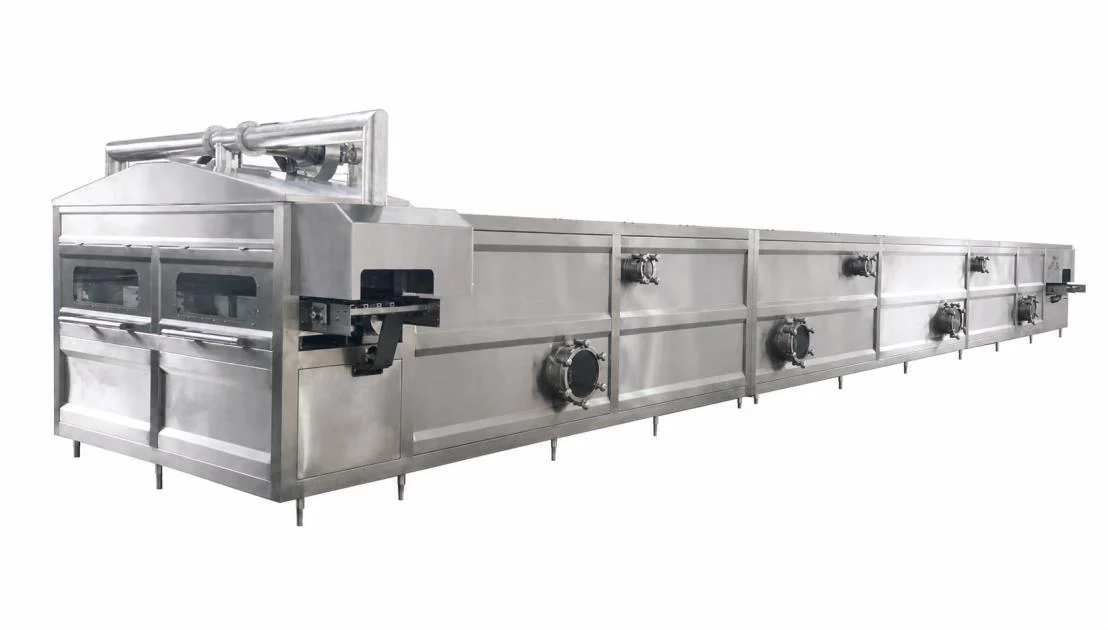
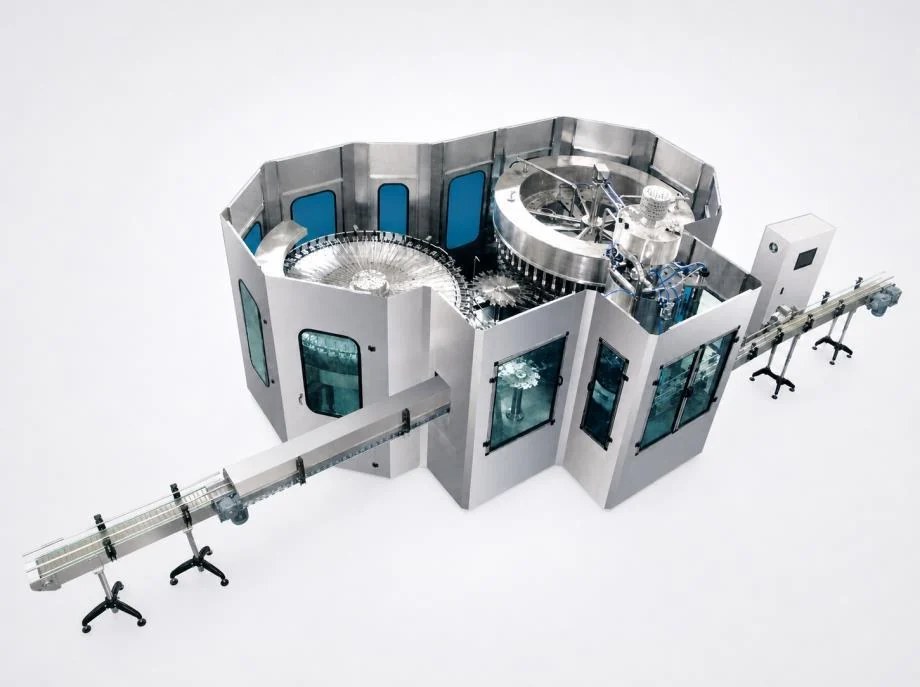
Answer first
In the catalog-supported juice/tea route it follows blending, filtration and product-specific preparation, then feeds a buffer/hot filler before post-fill treatment and cooling.
Process objective
Recipe, pH, ingredients, particles, target shelf-life approach and destination requirements must be supplied or reviewed by appropriate process specialists.
Product behaviour
Viscosity, particles, fouling tendency, flow and cleaning determine the suitable equipment and operating window.
Hot-filler interface
Hold/buffer conditions, transfer temperature, hygienic piping and filler demand must remain compatible throughout production and short stops.
Buyer questions
These are planning answers. Final process and equipment choices require a confirmed project brief.
No. A named heat-treatment step does not by itself establish an aseptic process, sterile boundary or shelf-life result. The whole preservation and filling route requires confirmation.
No. Formula, pH, particles, quality limits, target process outcome and downstream route determine the project basis.
Catalog reference The supplied 2026 catalog supports the named CSD and juice/tea equipment chains and is the source for the redrawn functional routes.
Engineering principle Interface explanations show why product, process, package, utilities and line balance must be reviewed together.
Project confirmation The routes are not a final process design, P&ID, validated cycle, quotation, availability statement or performance guarantee. Signed project documents define the final scope.
Allot Tech project desk
For a useful first reply, send the beverage, package, target good output and factory. If a line is already operating, add the observed symptom, first-known-good and first-known-bad time, affected SKU, photos, alarms and available production data.
Company verification: visit allottech.com.