Skip to content

Choose by package

PET Beverage Bottling Line

PET architecture changes with the beverage: a CSD PET bottle manages internal pressure, while a hot-fill PET package must match the confirmed thermal route.

Catalog equipment reference

Final equipment, layout and performance are confirmed against the project brief.

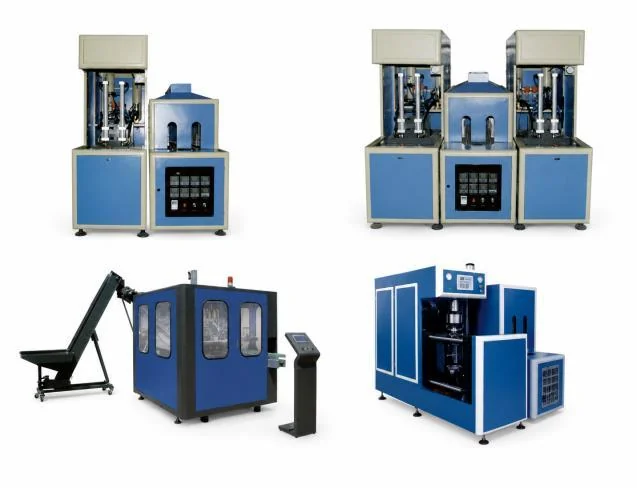
PET bottle blow molding machine reference configurations
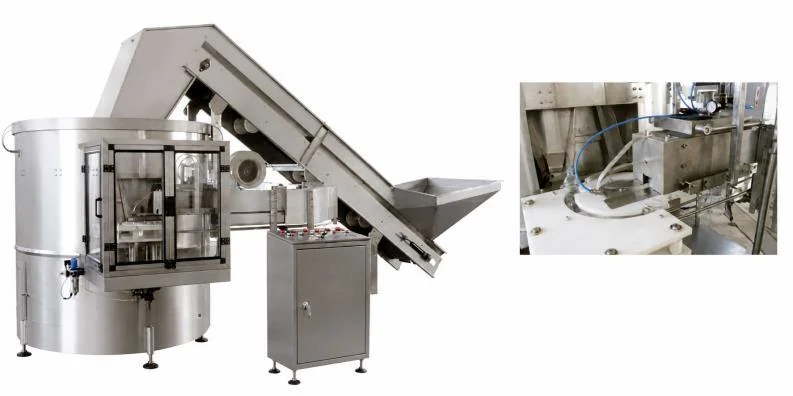
Automatic bottle unscrambler reference configuration
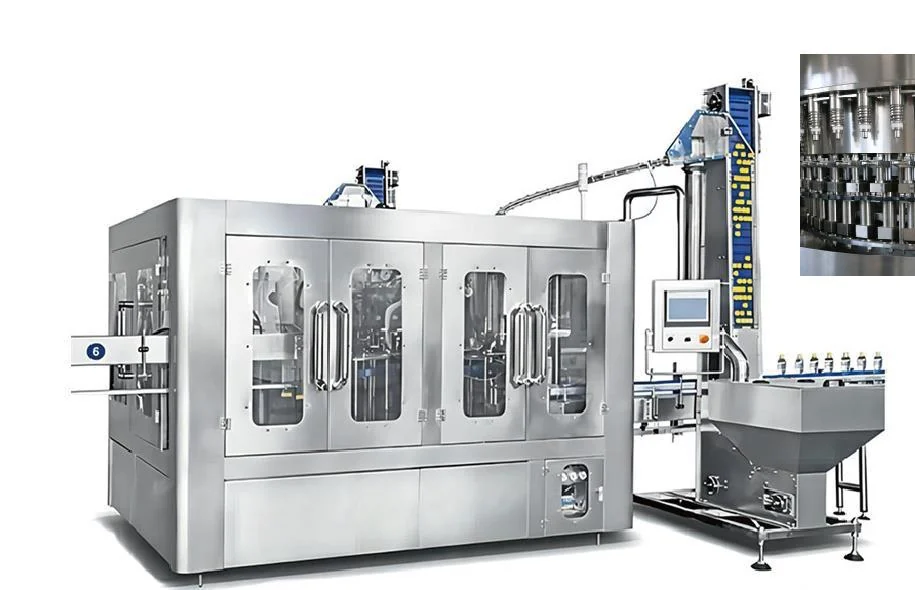
Water rinsing filling and capping monoblock reference configuration

Answer first

How does PET affect a beverage line?

PET introduces a preform/blowing or empty-bottle supply decision, neck handling, bottle transfer and product-specific pressure or temperature compatibility before filling can be finalized.

Which PET package can your beverage line actually run?

PET describes the material, not an approved process. Start with a reference beverage, bottle and closure, then follow that package from empty-container supply to the packed pallet. A bottle that fits a handling part is not automatically qualified for carbonation, hot filling or distribution.

Which PET package can your beverage line actually run?
Buyer problemDecision for the connected lineEvidence to request
Bottle deforms after filling or coolingReview the agreed product and thermal route with the bottle, preform and closure suppliers. Separate pressure suitability from heat and cooling-related vacuum behaviour; changing the filler alone does not settle the package decision.Ask for revision-controlled drawings, the package supplier's application limits and trial results through the proposed filling, closure and cooling sequence. Record the actual conditions and who approves them.
Purchased bottles or an inline blower?Purchased bottles need receiving, storage, container protection and dependable feeding. Onsite blowing adds preform supply, moulds, air, cooling and a transfer interface. State which party supplies each part before comparing complete-line prices.Request a reference-format supply rate, stoppage/restart handover, utility boundary and access/change-part list. A blower's nameplate rate is not proof of sustained usable bottles at the filler.
The cap fits, but the finished pack leaks or travels poorlyTreat neck finish, cap application, bottle stability, labels and secondary packing as connected interfaces. Do not accept nominal neck diameter as the complete closure specification or assume a lighter bottle is equivalent.Provide bottle and closure drawings, samples and agreed checks after filling, conditioning, packing and transport simulation. Keep failures attributable to a component lot and the conditions of the trial.

Can a still-water PET bottle be reused for soda or hot-fill juice?

Not on appearance or volume alone. Confirm the pressure/thermal application, neck and cap, package behaviour and the beverage's preservation route with the responsible specialists. Identify unqualified combinations as open options in the quotation. Do not convert a familiar bottle into a performance or shelf-life guarantee.

What should a useful PET-line quotation state?

List the approved reference packages separately from proposed future formats, including bottle supply, handling parts, moulds where applicable, utilities and the final labelled/packed output. Assign responsibility for package trials and acceptance evidence. If the package drawing changes, review the affected interfaces before treating the earlier quotation or trial as valid.

Bottle supply

Define bottle supply and drawings

Confirm whether bottles are blown onsite or purchased, then provide the bottle, preform and neck/closure information needed for handling and changeovers.

  • Bottle and preform drawing
  • Neck finish and cap
  • Inline blowing or empty-bottle handling
  • Format count

Product compatibility

Match PET to the beverage condition

Still, carbonated and hot-fill products place different demands on the bottle, filling interface and downstream handling.

  • Pressure suitability for CSD
  • Thermal suitability for hot fill
  • Container stability
  • Label and pack surface

Blower balance

Balance blower and filler

Blower usable output, high-pressure air, transfer and accumulation must support the filler at the agreed reference bottle.

  • Reference bottle
  • Usable blower rate
  • High-pressure air and cooling
  • Air-conveyor interface

Buyer questions

Frequently asked questions

These are planning answers. Final process and equipment choices require a confirmed project brief.

Can the same PET bottle be used for CSD and hot fill?

Do not assume so. Pressure resistance, thermal behaviour, neck and closure design, bottle stability and downstream handling must be confirmed for the selected beverage route.

Is an inline bottle blower always part of the line?

No. The project can start from preforms with inline blowing or from purchased empty bottles; the utility and handling boundaries differ.

How to read the technical evidence

Catalog reference The supplied 2026 catalog supports the named CSD and juice/tea equipment chains and is the source for the redrawn functional routes.

Engineering principle Interface explanations show why product, process, package, utilities and line balance must be reviewed together.

Project confirmation The routes are not a final process design, P&ID, validated cycle, quotation, availability statement or performance guarantee. Signed project documents define the final scope.

Allot Tech project desk

Check the PET bottle against pressure or hot-fill conditions.

For a useful first reply, send the beverage, package, target good output and factory. If a line is already operating, add the observed symptom, first-known-good and first-known-bad time, affected SKU, photos, alarms and available production data.

Company verification: visit allottech.com.