Why must new and returnable glass be separated at the brief stage?
Returnable glass can add crate handling, bottle inspection and a different washing route. This scope should never be inferred from the word glass alone.
Choose by package
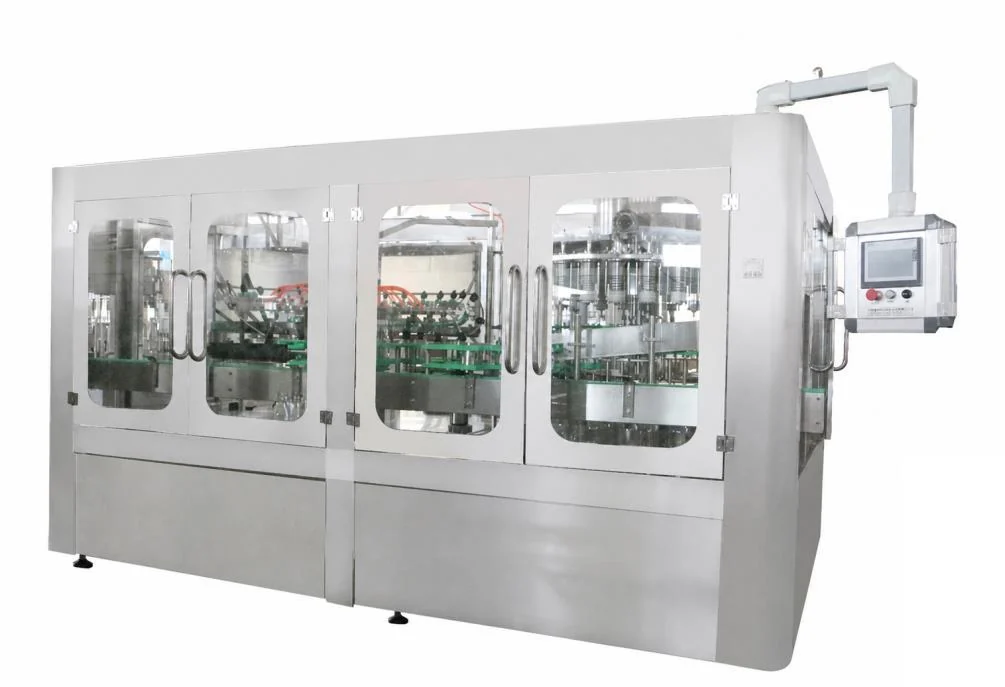
Glass bottles change empty-container handling, washing, filling, closure, inspection and pack handling; beverage compatibility still determines the process route.
Final equipment, layout and performance are confirmed against the project brief.
Answer first
Confirm whether bottles are new or returnable, the bottle and finish drawing, closure, beverage, fill condition and case format before the washing/filling/packing scope is fixed.
Glass supply
New and returnable containers create different inspection and washing questions. This launch site does not assume a returnable-bottle route without project evidence.
Product + closure
The supplied catalog supports glass beer and glass juice/tea platforms. The exact pressure, hot-fill and closure requirements remain project-specific.
Downstream handling
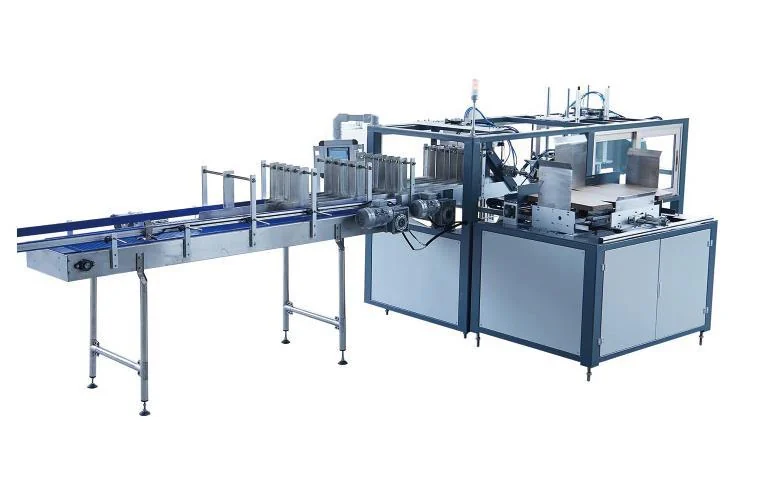
Conveying, accumulation, labeling and case packing must account for glass weight, contact and breakage-management requirements.
Buyer questions
These are planning answers. Final process and equipment choices require a confirmed project brief.
Returnable glass can add crate handling, bottle inspection and a different washing route. This scope should never be inferred from the word glass alone.
No. Glass changes container handling and closure interfaces, while the beverage still determines the preparation, pressure or thermal route.
Catalog reference The supplied 2026 catalog supports the named CSD and juice/tea equipment chains and is the source for the redrawn functional routes.
Engineering principle Interface explanations show why product, process, package, utilities and line balance must be reviewed together.
Project confirmation The routes are not a final process design, P&ID, validated cycle, quotation, availability statement or performance guarantee. Signed project documents define the final scope.
Allot Tech project desk
For a useful first reply, send the beverage, package, target good output and factory. If a line is already operating, add the observed symptom, first-known-good and first-known-bad time, affected SKU, photos, alarms and available production data.
Company verification: visit allottech.com.