Incorporate the recipe
Define how each water, liquid, powder or concentrate input reaches a controlled mixed product.
- Ingredient format and receiving condition
- Addition order, metering and mixing duty
- Sampling, recipe check and release point
Process before filling
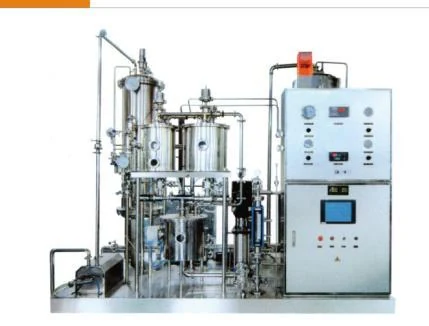
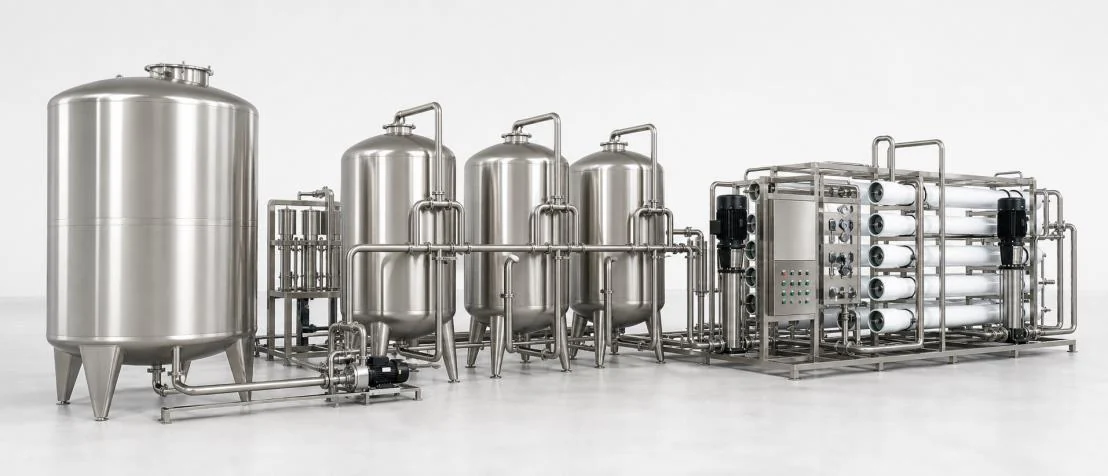
Mixing turns product water, syrup and ingredients into a controlled beverage stream whose composition, temperature and flow must match the next process and filler.
Final equipment, layout and performance are confirmed against the project brief.
Answer first
It creates a repeatable product at the required recipe and delivery condition. Tank sequence, agitation, filtration, buffers and controls depend on the beverage and batch or continuous operating basis.
Product inputs
List water, syrup, powders, concentrates and process returns, then define the expected blended product condition and downstream destination.
Usable output
Preparation time, transfer, cleaning and product changeover affect how much finished beverage reaches the filler during a production shift.
Hygiene + utilities
Materials, pumps, valves, CIP coverage, hot water or steam, cooling and controls are confirmed against the recipe and process plan.
Mixing-route definition
Nominal tank volume is only one input. Usable output depends on every step between ingredient receipt and release to the next process.
| Input or event | Planning question | Effect on the mixing route | Output to confirm |
|---|---|---|---|
| Water and liquid bases | What quality, temperature, flow and metering basis applies? | Defines receiving, dosing and available starting condition | Declared liquid-input condition and supply boundary |
| Dry or concentrated ingredients | How are ingredients received, added, dissolved or dispersed? | Changes feeding, agitation, dust or manual handling and batch time | Ingredient-addition sequence and equipment boundary |
| Recipe order | Which additions, waits, checks and releases occur in sequence? | Determines the real batch cycle rather than the tank volume alone | Controlled recipe steps and release point |
| Product behavior | Are viscosity, particles, foam, heat sensitivity or settling relevant? | Affects agitation, pumping, transfer and optional downstream processing questions | Product-behavior basis for engineering review |
| Batch transfer | When can product leave and what must remain available? | Sets pump, pipe, buffer and next-process handover requirements | Transfer condition and buffer strategy |
| Cleaning and changeover | What cleaning or clearance follows each product family? | Reduces available production time and changes scheduling | Batch-family and cleaning matrix |
| Filler demand | What sustained product flow is required at the reference SKU? | Tests whether batch release and buffering can support the whole line | Usable supply plan matched to filler demand |
Mixing-system boundary
The main mixing route should remain distinct from specialist syrup, homogenization, deaeration and carbonation duties.
Define how each water, liquid, powder or concentrate input reaches a controlled mixed product.
Build capacity from the complete batch cycle and buffer logic rather than nominal vessel size.
Connect tanks, pumps and pipes to the agreed cleaning and next-process boundary.
Mixing brief
Share what is known and mark product-process decisions that still need specialist review.
Illustrative capacity check
A buyer states a nominal tank size and filler target but has not included ingredient charging, quality release, transfer or cleaning in the production plan.
Preliminary resultMixing capacity is expressed as a usable supply schedule to the next process, not as a simple vessel-volume claim.
Illustrative only. Final vessel duties, cycles, controls and performance require recipe and project confirmation.
Evidence boundary
Evidence labels keep a reference architecture separate from a final design or commercial promise.
The supplied 2026 catalog shows water, syrup, ingredient mixing, filtration, buffer and transfer functions within CSD and juice or tea reference routes.
Usable mixing output follows ingredient handling, recipe sequence, batch occupancy, transfer, cleaning, buffering and sustained downstream demand.
Final recipe, vessel duties, agitation, transfer, cycle, controls, utilities and performance require confirmed product data and signed scope.
Buyer questions
These are planning answers. Final process and equipment choices require a confirmed project brief.
No. Charging, mixing, checks, transfer, waiting, cleaning and buffer availability determine the usable product supplied during an operating period.
No. It identifies those as connected specialist decisions. Syrup preparation, homogenization and deaeration each require their own product and process review.
Charging, mixing, transfer, cleaning, changeover and buffer time all reduce the usable product delivered during a shift.
It should be checked against sustained filler demand at the reference product, including the batch cycle and planned cleaning or changeover time.
Catalog reference The supplied 2026 catalog supports the named CSD and juice/tea equipment chains and is the source for the redrawn functional routes.
Engineering principle Interface explanations show why product, process, package, utilities and line balance must be reviewed together.
Project confirmation The routes are not a final process design, P&ID, validated cycle, quotation, availability statement or performance guarantee. Signed project documents define the final scope.
Allot Tech project desk
For a useful first reply, send the beverage, package, target good output and factory. If a line is already operating, add the observed symptom, first-known-good and first-known-bad time, affected SKU, photos, alarms and available production data.
Company verification: visit allottech.com.