Empty-can preparation
Define how cans arrive, are protected, prepared and transferred to filling.
- Can format and delivery presentation
- Depalletizing or confirmed receiving method
- Turning, rinsing, washing and rejection boundary
Choose by package
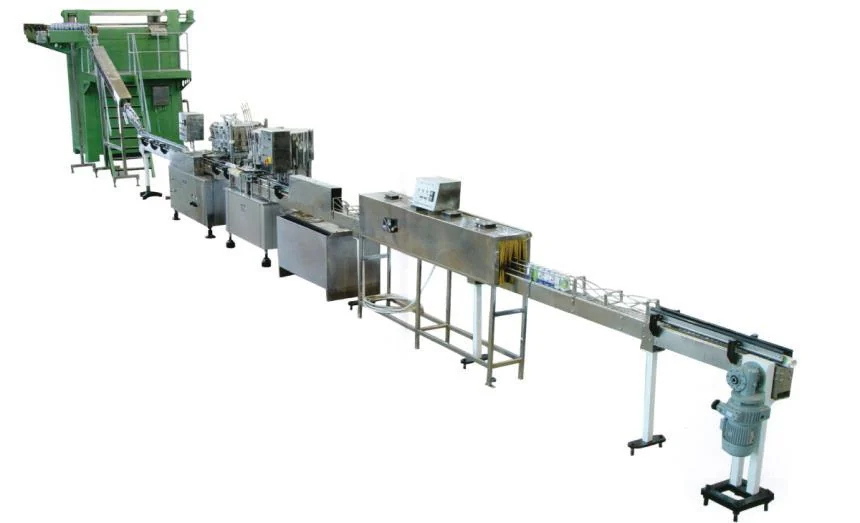
A can line combines empty-can handling and washing with beverage preparation, filling, seaming, inspection, coding and pack handling.
Final equipment, layout and performance are confirmed against the project brief.
Answer first
Cans need their own depalletizing/handling, turning and washing sequence, a seamer rather than bottle capping, and package-specific conveying and secondary packing.
Can + end
Provide can size, material, end/seam information, printed or labeled finish and pack format before equipment is selected.
Product condition
The catalog supports carbonated canned beverages. Other beverages and process conditions require engineering review rather than an assumed route.
Seaming interface
Filler discharge, lid/end supply, seaming, inspection and downstream buffering must operate as one container-closure system.
Can-line interface register
A complete can line is defined by connected package interfaces, not by replacing a bottle capper with a seamer.
| Interface | What must be defined | Why it changes the architecture | Handover evidence |
|---|---|---|---|
| Empty-can supply | Can format, supply condition, pallet or other delivery format and storage boundary | Determines depalletizing, transfer, protection and replenishment logic | Approved can specification and agreed supply presentation |
| Can preparation | Turning, rinsing or washing basis and reject expectations | Sets container flow, water or air interfaces and hygiene boundary before filling | Confirmed preparation sequence and inlet or outlet condition |
| Product delivery | Beverage, carbonation where applicable, filling temperature, flow and pressure basis | Connects upstream processing to the selected can-filling condition | Agreed filler-inlet condition and product interface schedule |
| End feeding | Can-end specification, supply presentation and compatibility with the can body | Creates a separate closure-material and controls path | Approved can-and-end combination plus feeding boundary |
| Seaming | Seam requirement, adjustment basis, inspection method and reject responsibility | The closed package depends on a controlled can-and-end mechanical interface | Project-defined seam checks and recorded acceptance responsibility |
| Sealed-can handling | Inspection, coding, surface condition, accumulation and discharge state | Protects the package before secondary packing and defines downstream sensors or rejects | Declared handover condition to the packing section |
| Secondary pack | Tray, film, carton, grouping and pallet or discharge requirement | Determines sustained downstream rate and material flow | Approved pack specification and reference SKU |
Package-chain boundary
The beverage route and the can route meet at defined interfaces; neither can be inferred from the other.
Define how cans arrive, are protected, prepared and transferred to filling.
Connect the confirmed product condition to filling, end feeding, seaming and inspection.
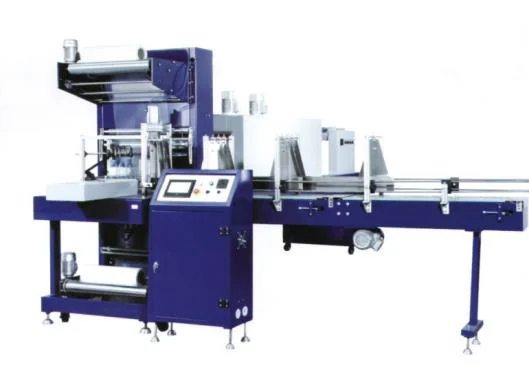
Carry the sealed can through inspection, coding and the specified secondary pack.
Can-project input set
The can body and end must be reviewed together with product and finished-pack requirements.
Illustrative package change
A carbonated recipe has a preliminary PET route, and the buyer is considering cans without changing the product brief.
Preliminary resultThe common beverage basis is preserved, but the container, closure, inspection and packing chain is correctly treated as a separate package architecture.
Illustrative only. Can compatibility, seam criteria, equipment selection and performance require project confirmation.
Evidence boundary
Evidence labels keep a reference architecture separate from a final design or commercial promise.
The supplied 2026 catalog shows a carbonated-can reference chain with can preparation, filling, sealing and downstream packing elements; catalog values remain reference-only.
Can supply, preparation, filling, end feeding, seaming, inspection and packing form one connected package route.
Approved can and end specifications, product conditions, seam requirements, equipment, output and acceptance records belong to the confirmed project.
Buyer questions
These are planning answers. Final process and equipment choices require a confirmed project brief.
No. Can-end feeding, the can-and-end combination, seam formation, inspection and reject responsibilities create a distinct closure interface.
Do not assume so. Empty-container supply, preparation, closure, conveying, inspection, coding and secondary packing all require a can-specific review.
The closure interface is can-end feeding and seaming, followed by seam inspection and package-specific downstream handling.
No. The supplied reference supports carbonated canned beverages; other products need process and package evidence before a route is confirmed.
Catalog reference The supplied 2026 catalog supports the named CSD and juice/tea equipment chains and is the source for the redrawn functional routes.
Engineering principle Interface explanations show why product, process, package, utilities and line balance must be reviewed together.
Project confirmation The routes are not a final process design, P&ID, validated cycle, quotation, availability statement or performance guarantee. Signed project documents define the final scope.
Allot Tech project desk
For a useful first reply, send the beverage, package, target good output and factory. If a line is already operating, add the observed symptom, first-known-good and first-known-bad time, affected SKU, photos, alarms and available production data.
Company verification: visit allottech.com.